Foenegriek: The Complete Guide to Benefits, Uses, Nutrition, Side Effects, and How to Use It Naturally
Foenegriek has become one of the most respected natural herbs for people looking to improve their overall wellness. While many herbs come and go as health trends, foenegriek has remained popular for centuries because of its wide range of traditional and scientifically studied benefits. From supporting healthy digestion to promoting balanced blood sugar, improving heart health, and providing essential nutrients, this remarkable herb has earned a permanent place in kitchens and herbal medicine around the world.
Although foenegriek is commonly associated with traditional medicine in Asia, the Middle East, and the Mediterranean, its popularity continues to grow across the United States. More Americans are adding foenegriek to their diets through supplements, herbal teas, powders, and whole seeds as they seek natural ways to support everyday health.
This complete guide explains everything you need to know about foenegriek in simple English. You’ll discover its history, nutrition facts, health benefits, scientific research, practical uses, safety tips, and much more.
What Is Foenegriek?
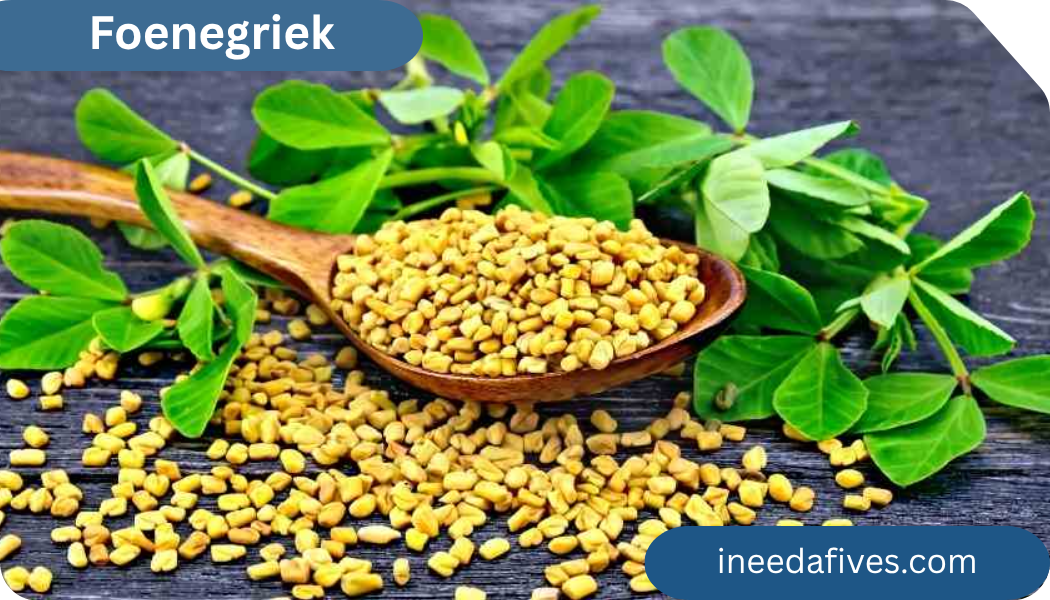
Foenegriek is the Dutch name for fenugreek, a flowering herb scientifically known as Trigonella foenum-graecum. It belongs to the legume family, the same plant family as peas and beans.
The plant produces:
- Small golden-brown seeds
- Green leaves
- Delicate white flowers
- Long seed pods
Both the seeds and leaves are edible. The seeds are the most commonly used part because they contain many beneficial plant compounds.
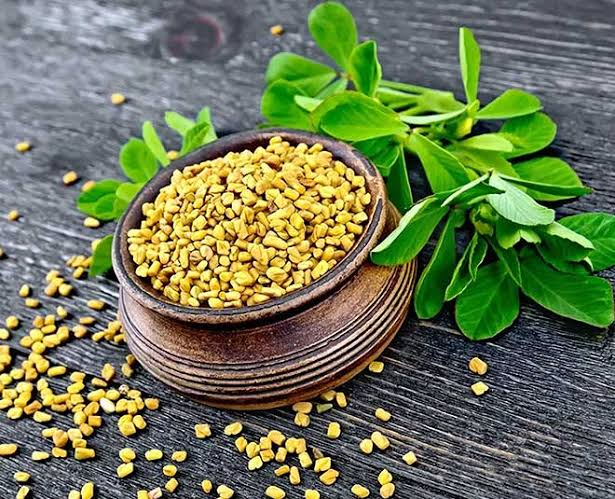
Foenegriek has a unique taste that combines slightly bitter, nutty, sweet, and maple-like flavors. Because of this distinctive flavor, it is widely used in cooking around the world.
Also read:USPhoneLookup: The Complete Guide to Reverse Phone Lookup, People Search, and Public Records in 2026
Facts About Foenegriek
Scientific Name: Trigonella foenum-graecum
Plant Family: Fabaceae (Legume family)
Common Names:
- Foenegriek
- Fenugreek
- Greek Hay
- Methi (India)
- Hulba (Arabic)
Used Parts:
- Seeds
- Leaves
- Sprouts
Available Forms:
- Whole seeds
- Ground powder
- Capsules
- Herbal tea
- Liquid extract
- Fresh leaves
- Dried leaves
- Essential ingredient in spice blends
The Long History of Foenegriek
Foenegriek has one of the longest histories among medicinal herbs.
Historical records show that ancient Egyptians used foenegriek thousands of years ago. It was valued for cooking, health, and even embalming practices.
Ancient Greeks and Romans also appreciated foenegriek. Physicians recommended it for digestive wellness, while farmers used it as animal feed because of its nutritional value.
In Ayurveda, India’s traditional medical system, foenegriek has been used for over 2,000 years. Traditional practitioners believed it helped:
- Improve digestion
- Increase energy
- Support nursing mothers
- Promote healthy metabolism
- Maintain overall wellness
Traditional Chinese Medicine also includes foenegriek for various health-supporting purposes.
Today, modern science continues studying these traditional uses.
Where Does Foenegriek Grow?
Foenegriek grows best in warm climates with moderate rainfall.
Major producing countries include:
- India
- Egypt
- Morocco
- Turkey
- China
- Ethiopia
India remains the world’s largest producer and exporter of foenegriek seeds.
The plant grows quickly and adapts well to different soil conditions, making it an important agricultural crop worldwide.
Nutritional Value of Foenegriek
One reason foenegriek is highly valued is its impressive nutritional profile.
The seeds naturally contain:
Dietary Fiber
Foenegriek is especially rich in soluble fiber.
Fiber supports:
- Healthy digestion
- Regular bowel movements
- Balanced blood sugar
- Healthy cholesterol levels
- Feeling full after meals
Plant Protein
The seeds provide a good amount of plant-based protein, making them useful in vegetarian and vegan diets.
Healthy Minerals
Foenegriek contains minerals such as:
- Iron
- Magnesium
- Potassium
- Calcium
- Zinc
- Phosphorus
- Manganese
These minerals help support many normal body functions.
Vitamins
Foenegriek also supplies:
- Vitamin A
- Vitamin C
- Some B vitamins
- Folate
Natural Plant Compounds
Researchers have identified several beneficial compounds, including:
- Saponins
- Alkaloids
- Flavonoids
- Polyphenols
- Galactomannan fiber
- Diosgenin
These compounds are believed to contribute to many of foenegriek’s health-supporting properties.
How Foenegriek Supports Healthy Digestion
One of the most popular reasons people use foenegriek is digestive health.
Its natural fiber and soothing qualities make it an excellent addition to a healthy digestive routine.
Possible digestive benefits include:
- Supporting regular bowel movements
- Helping maintain a healthy digestive tract
- Promoting beneficial gut bacteria
- Supporting comfortable digestion after meals
- Helping maintain digestive balance
The soluble fiber absorbs water, creating a gentle gel that may help food move more smoothly through the digestive system.
Many people enjoy drinking foenegriek tea after meals for this reason.
Foenegriek and Gut Health
Modern research continues to explore how gut health influences the immune system, metabolism, and even mood.
Foenegriek contains prebiotic fiber, which serves as food for beneficial gut bacteria.
A healthier gut microbiome may contribute to:
- Better digestion
- Improved nutrient absorption
- Stronger immune function
- Reduced digestive discomfort
- Better bowel regularity
Although more research is ongoing, the early findings are encouraging.
Can Foenegriek Help Support Blood Sugar?
One of the most researched areas involving foenegriek is blood sugar management.
Researchers believe several mechanisms may explain its effects.
The fiber found in foenegriek may:
- Slow carbohydrate digestion
- Delay sugar absorption
- Help maintain more stable glucose levels after meals
Some plant compounds may also influence how the body uses insulin.
Because of these properties, foenegriek is often included in healthy dietary approaches for individuals interested in maintaining normal blood sugar already within a healthy range.
However, anyone with diabetes or taking blood sugar medication should consult a healthcare provider before using foenegriek supplements.
Foenegriek and Heart Health
Heart wellness depends on several lifestyle factors, including diet.
Foenegriek may support cardiovascular health by helping maintain:
- Healthy cholesterol levels already within normal range
- Healthy triglyceride levels
- Balanced blood sugar
- Healthy body weight
The fiber and antioxidant compounds found in foenegriek may work together to support overall heart wellness.
While foenegriek should never replace medical treatment, it can become part of a heart-friendly diet.
Foenegriek May Help With Weight Management
Maintaining a healthy weight involves nutrition, exercise, sleep, and healthy habits.
Foenegriek may support these efforts because its fiber helps increase feelings of fullness.
People who feel satisfied after meals may naturally consume fewer calories throughout the day.
Its protein content also contributes to satiety.
This does not mean foenegriek is a weight-loss miracle, but it can be one useful part of an overall healthy lifestyle.
Foenegriek and Athletic Performance
Athletes and active individuals sometimes use foenegriek supplements as part of their nutrition programs.
Researchers continue studying whether foenegriek may help support:
- Exercise recovery
- Muscle performance
- Physical endurance
- Healthy energy production
While some early studies appear promising, more research is still needed before strong conclusions can be made.
Foenegriek for Women’s Health
For centuries, women have used foenegriek for various wellness purposes.
Traditional uses include supporting:
- Normal menstrual comfort
- Breastfeeding
- General reproductive wellness
- Nutritional support
Today, scientists continue evaluating these traditional applications.
Also read:Zooskooñ: The Future of Ethical Zoos, Wildlife Conservation, and Sustainable Animal Care
One area receiving attention is breastfeeding.
Some healthcare professionals recognize that foenegriek has traditionally been used as a galactagogue a substance believed to support breast milk production.
However, results vary from person to person, and mothers should always seek professional medical advice before taking herbal supplements while breastfeeding.
Foenegriek and Men’s Health
Foenegriek has also become popular among men.
Research is exploring its possible role in supporting:
- Healthy physical performance
- Exercise recovery
- Energy
- General vitality
Some supplement manufacturers market foenegriek for testosterone support.
Current evidence remains mixed, and more large, high-quality studies are needed before definitive conclusions can be reached.
The most reliable benefits remain those associated with digestion, nutrition, and metabolic health.
Antioxidants Found in Foenegriek
Every day, the body produces unstable molecules called free radicals.
Excessive free radicals may contribute to oxidative stress.
Foenegriek contains several antioxidant compounds that help protect cells from oxidative damage.
Important antioxidants include:
- Flavonoids
- Polyphenols
- Vitamin C
- Plant alkaloids
Eating antioxidant-rich foods is generally associated with long-term health support.
Foenegriek and Immune System Support
A healthy immune system depends on proper nutrition.
Foenegriek contributes several nutrients involved in immune function, including:
- Zinc
- Iron
- Vitamin C
- Antioxidants
- Plant compounds
Its role is supportive rather than medicinal.
No herb alone can prevent illness, but nutrient-rich foods like foenegriek can contribute to overall wellness.
Different Ways to Use Foenegriek
One reason foenegriek remains popular is its versatility.
Common ways to use it include:
Whole Seeds
Whole seeds are commonly soaked overnight before use.
They can be:
- Added to soups
- Used in curries
- Mixed into salads
- Sprouted
Ground Powder
Ground foenegriek powder is popular in:
- Smoothies
- Spice blends
- Homemade seasoning
- Baking recipes
Foenegriek Tea
Many people prepare herbal tea by steeping crushed seeds in hot water.
The tea has a mild earthy flavor and is commonly enjoyed after meals.
Fresh Leaves
Fresh leaves are widely used in Indian cooking.
They add both nutrition and flavor to:
- Vegetable dishes
- Flatbreads
- Soups
- Rice meals
Dried Leaves
Dried foenegriek leaves are commonly known as kasuri methi.
They provide concentrated aroma and flavor.
Capsules
Capsules offer a convenient way to consume standardized amounts without tasting the seeds.
How to Add Foenegriek to Your Daily Diet
Adding foenegriek to your daily routine is easier than many people think. Because it comes in several forms, you can choose the option that best matches your lifestyle and taste preferences.
Here are some simple ideas:
- Sprinkle ground foenegriek into soups.
- Mix a small amount into smoothies.
- Add the seeds to homemade bread.
- Include it in curry recipes.
- Brew foenegriek tea after meals.
- Mix the powder into yogurt.
- Add sprouts to fresh salads.
- Use dried leaves as a seasoning for vegetables.
Start with small amounts because foenegriek has a naturally strong flavor.
How to Prepare Foenegriek Seeds
Whole foenegriek seeds are quite hard, so preparing them correctly improves both their taste and texture.
Common preparation methods include:
Soaking
Soak the seeds overnight in clean water.
Benefits of soaking include:
- Softer texture
- Reduced bitterness
- Easier digestion
- Faster cooking
Sprouting
After soaking, place the seeds in a clean container and rinse them daily.
Within a few days, fresh sprouts appear.
Sprouted foenegriek can be added to:
- Sandwiches
- Salads
- Grain bowls
- Wraps
Roasting
Light roasting reduces bitterness and creates a richer, nutty flavor.
Roasted seeds can be ground into powder for cooking.
Foenegriek Tea: A Simple Natural Drink
Foenegriek tea is one of the easiest ways to enjoy this herb.
Basic preparation:
- Add one teaspoon of crushed seeds to hot water.
- Let steep for 10–15 minutes.
- Strain the seeds.
- Drink while warm.
Many people enjoy adding:
- Lemon
- Honey
- Ginger
- Cinnamon
These ingredients can improve both flavor and aroma.
Cooking With Foenegriek
Foenegriek is used in many traditional dishes around the world.
Popular recipes include:
- Vegetable curries
- Lentil soup
- Chickpea dishes
- Chicken recipes
- Rice dishes
- Homemade pickles
- Flatbreads
- Spice blends
Its slightly sweet, nutty, and maple-like taste adds depth to savory foods.
Foenegriek in Modern American Kitchens
Although foenegriek has long been popular in Asian and Middle Eastern cuisine, it is becoming more common in the United States.
Health-conscious home cooks often use it in:
- Protein bowls
- Smoothies
- Wellness teas
- Homemade energy snacks
- Whole-grain breads
- Healthy soups
- Plant-based meals
Its growing popularity reflects the increasing interest in natural foods that offer both flavor and nutritional value.
Foenegriek Supplements
People who do not enjoy the taste of the seeds may prefer supplements.
Common supplement forms include:
- Capsules
- Tablets
- Powder
- Liquid extract
- Standardized herbal extracts
Always choose products from reputable manufacturers that provide quality testing and clear ingredient labeling.
Recommended Daily Intake
There is no single recommended daily amount of foenegriek for everyone.
The right amount depends on:
- Age
- Overall health
- Dietary habits
- Purpose of use
- Product type
For culinary use, small amounts are generally enough to enjoy its flavor and nutritional benefits.
If using supplements, follow the manufacturer’s directions or consult a healthcare professional.
Potential Side Effects of Foenegriek
Foenegriek is generally considered safe when consumed as a food.
However, larger amounts or concentrated supplements may cause side effects in some individuals.
Possible side effects include:
- Mild stomach discomfort
- Gas
- Bloating
- Loose stools
- Diarrhea
- A maple syrup-like body odor due to natural compounds in the herb
Most side effects are mild and improve when intake is reduced.
Who Should Be Careful With Foenegriek?
Although foenegriek is safe for many people, some individuals should seek medical advice before using supplements.
This includes:
- Pregnant women
- Breastfeeding mothers
- People with diabetes
- Individuals taking blood-thinning medications
- People with allergies to legumes such as peanuts, soybeans, or chickpeas
- Anyone scheduled for surgery
A healthcare provider can help determine whether foenegriek is appropriate based on personal medical history.
Possible Drug Interactions
Foenegriek may interact with certain medications.
Potential interactions include:
- Blood sugar medications
- Blood-thinning medications
- Medicines that affect blood clotting
If you take prescription medications, speak with your healthcare provider before starting any herbal supplement.
What Does Scientific Research Say About Foenegriek?
Interest in foenegriek has increased significantly over the past two decades.
Researchers continue studying its effects on:
- Digestive health
- Blood sugar management
- Cholesterol
- Weight management
- Athletic performance
- Breastfeeding support
- Inflammation
- Antioxidant activity
While many studies report encouraging results, scientists also emphasize the need for larger, long-term human clinical trials. Current evidence supports foenegriek as a nutritious herb with potential health-supporting properties, but it should not be viewed as a cure or replacement for medical treatment.
Common Myths About Foenegriek
Many claims about foenegriek circulate online. Understanding the facts helps people make informed choices.
Myth 1: Foenegriek Works Overnight
No natural herb provides instant results. Any potential benefits usually develop gradually when combined with a healthy lifestyle.
Myth 2: More Is Always Better
Taking excessive amounts does not increase benefits and may raise the risk of side effects.
Myth 3: Foenegriek Can Replace Medicine
Foenegriek may support overall wellness, but it should never replace treatments prescribed by a qualified healthcare professional.
Myth 4: Only the Seeds Are Useful
Both the seeds and leaves contain valuable nutrients and can be included in a balanced diet.
How to Buy High-Quality Foenegriek
When shopping for foenegriek, look for products that are:
- Fresh and aromatic
- Free from moisture
- Properly packaged
- Clearly labeled
- Certified by reputable quality organizations when possible
For supplements, choose brands that use third-party testing to verify purity and ingredient quality.
How to Store Foenegriek
Proper storage helps preserve flavor and nutritional quality.
Store foenegriek:
- In an airtight container
- Away from direct sunlight
- In a cool, dry place
- Away from moisture and heat
Ground powder should be used within several months for the best flavor, while whole seeds generally remain fresh longer when stored correctly.
Why Foenegriek Continues to Grow in Popularity
Foenegriek has remained relevant for thousands of years because it combines tradition with practical nutrition.
Today’s consumers appreciate it because it is:
- Naturally rich in fiber
- Easy to include in recipes
- Versatile in both food and beverages
- Supported by growing scientific research
- Affordable and widely available
- Suitable for many healthy eating patterns
Its long history of traditional use, combined with modern research, makes it one of the most trusted herbs for supporting everyday wellness.
Conclusion
Foenegriek is much more than a traditional culinary herb. It is a nutrient-rich plant that has supported health and wellness across cultures for centuries. From promoting healthy digestion with its natural fiber to contributing antioxidants, essential minerals, and beneficial plant compounds, foenegriek offers a wide range of nutritional advantages when included as part of a balanced diet.
Modern scientific research continues to explore its role in digestive health, blood sugar support, heart wellness, weight management, and other areas. While many findings are encouraging, foenegriek works best as one component of an overall healthy lifestyle rather than as a standalone solution.
Whether you enjoy it as tea, whole seeds, fresh leaves, dried leaves, or a quality supplement, using foenegriek in moderation can be a simple and natural way to add both flavor and nutritional value to your daily routine. By choosing high-quality products and following appropriate usage guidelines, you can confidently make foenegriek part of your long-term wellness journey.
Frequently Asked Questions (FAQs)
Can foenegriek be eaten every day?
Yes. Most healthy adults can enjoy culinary amounts of foenegriek daily as part of a balanced diet. If you plan to take concentrated supplements every day, consult a healthcare professional first.
Does foenegriek have a strong taste?
Yes. Foenegriek has a distinctive flavor that is slightly bitter, nutty, and mildly sweet with hints similar to maple syrup. Roasting or combining it with other spices can create a smoother taste.
Is foenegriek suitable for vegetarian and vegan diets?
Absolutely. Foenegriek is a plant-based herb and is commonly included in vegetarian and vegan meal plans because it provides fiber, protein, vitamins, and minerals.
Can I grow foenegriek at home?
Yes. Foenegriek is relatively easy to grow in containers or garden beds. It prefers full sunlight, well-drained soil, and moderate watering. Both the leaves and seeds can be harvested for cooking.
What foods pair well with foenegriek?
Foenegriek pairs well with lentils, chickpeas, potatoes, spinach, tomatoes, rice, chicken, yogurt, whole grains, and many spice blends. It also works well in soups, stews, curries, and homemade breads.