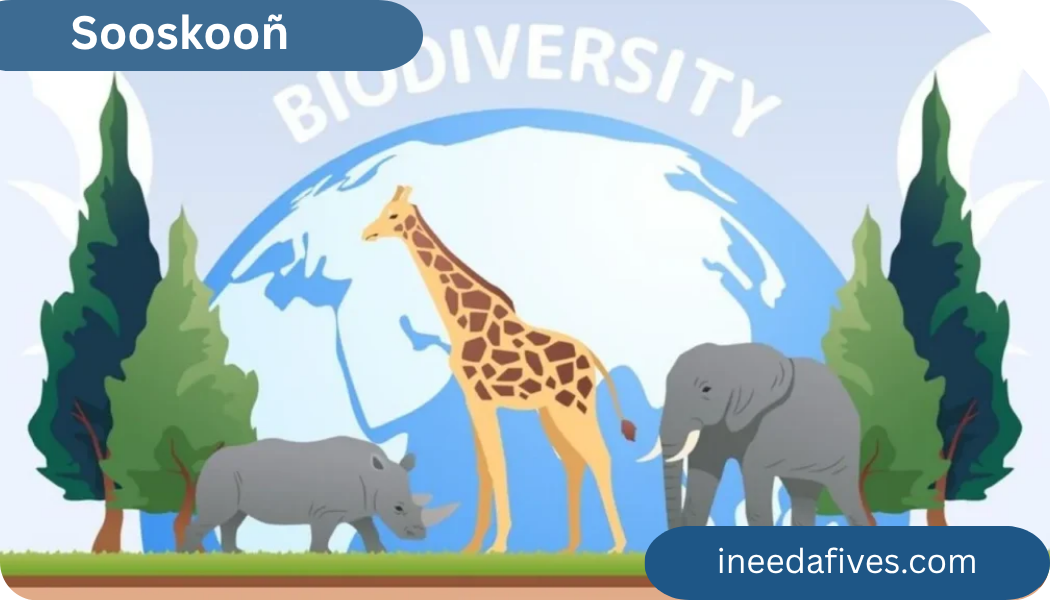
Zooskooñ: The Future of Ethical Zoos, Wildlife Conservation, and Sustainable Animal Care
The relationship between humans and wildlife is changing faster than ever before. Around the world, people are asking important questions about how animals should be cared for, how endangered species can be protected, and whether modern zoos should continue to exist in their traditional form. These conversations have led to the emergence of new conservation ideas that combine science, education, technology, and sustainability. One of the most interesting concepts gaining attention is zooskooñ.
Unlike conventional zoo models that mainly focus on displaying animals, zooskooñ promotes a broader vision. It encourages wildlife facilities to become conservation centers where animal welfare, environmental responsibility, scientific research, and public education work together. Instead of measuring success by visitor numbers alone, this approach measures success by the positive impact on animals, ecosystems, and communities.
Many online articles introduce zooskooñ with only a few paragraphs, often describing it as a sustainable zoo concept without explaining its deeper significance. This article goes much further. It explores how zooskooñ represents a shift in thinking about wildlife conservation, why it matters in today’s environmental landscape, and how its principles could influence the future of zoological institutions worldwide.
Whether you are a student, wildlife enthusiast, conservation professional, educator, or simply curious about modern zoos, this guide provides a complete understanding of zooskooñ using clear language, practical examples, and expert insights that go beyond the information currently available online.
What Is Zooskooñ?
Zooskooñ is a modern zoological concept that emphasizes sustainable zoo management, exceptional animal welfare, conservation-driven operations, environmental responsibility, and meaningful public education.
Rather than viewing zoos as places where animals are displayed primarily for entertainment, zooskooñ encourages institutions to become active participants in global biodiversity conservation.
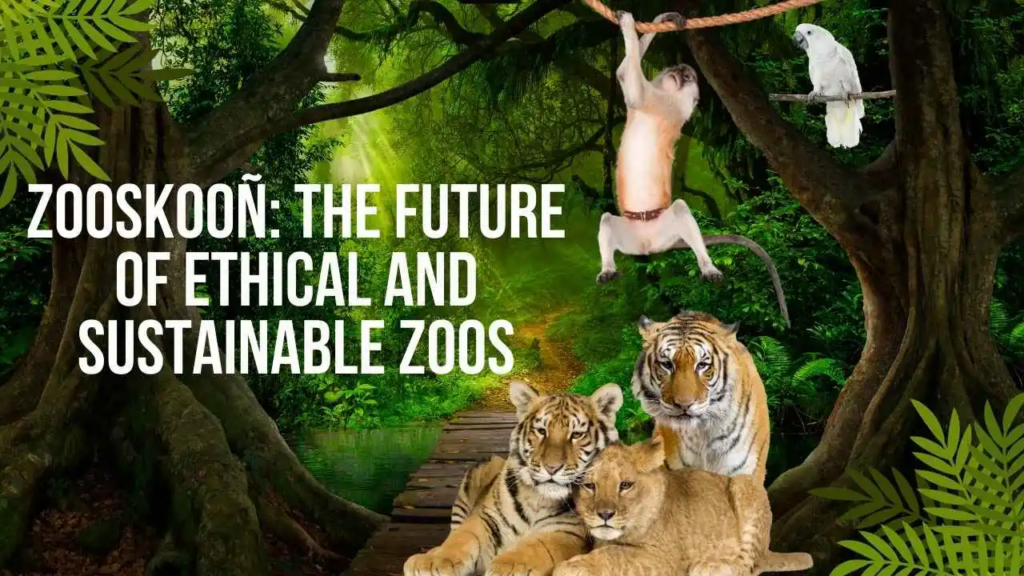
Yooooga
Under this philosophy, every decision should benefit one or more of the following:
- Animal health
- Wildlife conservation
- Environmental sustainability
- Scientific research
- Community education
- Ethical management
The concept reflects growing public expectations that wildlife organizations should contribute directly to protecting species rather than simply housing them.
Quick Overview of Zooskooñ
| Feature | Description |
| Concept | Sustainable zoological framework |
| Primary Goal | Balance conservation, education, and animal welfare |
| Focus | Ethical wildlife management |
| Key Principles | Sustainability, biodiversity, science, education |
| Benefits | Better habitats, stronger conservation efforts, informed visitors |
| Target Users | Zoos, aquariums, wildlife parks, educators, conservation organizations |
| Long-Term Vision | Wildlife protection through responsible human action |
The Meaning Behind Zooskooñ
Although the term zooskooñ is relatively new compared to traditional conservation terminology, its underlying philosophy reflects decades of scientific progress in zoology, ecology, environmental science, and animal behavior.
Historically, many zoos focused primarily on displaying exotic animals for public viewing.
Modern conservation thinking has transformed that perspective.
Today, successful zoological institutions increasingly prioritize:
- Protecting endangered species
- Supporting breeding programs
- Preserving genetic diversity
- Conducting scientific research
- Educating future generations
- Restoring ecosystems
Zooskooñ brings these ideas together into a unified framework.
Instead of asking, “How many visitors did the zoo attract?”
It asks,
“How much did the zoo contribute to wildlife conservation?”
This subtle shift changes the entire purpose of zoological institutions.
Why Zooskooñ Matters Today
The world currently faces unprecedented environmental challenges.
Scientists continue documenting declines in wildlife populations due to:
- Habitat destruction
- Climate change
- Illegal wildlife trade
- Pollution
- Deforestation
- Invasive species
- Unsustainable resource use
These challenges require conservation strategies that extend beyond protected forests and national parks.
Modern zoos can become important partners by supporting:
- Captive breeding
- Wildlife rehabilitation
- Public education
- Veterinary research
- Conservation funding
- Species recovery programs
Zooskooñ positions zoological institutions as active conservation leaders rather than passive exhibition spaces.
This transformation reflects changing public expectations about the ethical treatment of animals.
From Traditional Zoos to Zooskooñ
Understanding zooskooñ becomes easier when comparing it with older zoo models.
Traditional Zoo Approach
Historically, many zoos emphasized:
- Animal exhibitions
- Visitor entertainment
- Recreational activities
- Large collections of species
Although many traditional zoos contributed positively to education, conservation often received less attention.
Zooskooñ Approach
The zooskooñ model expands the mission.
Success depends upon:
- Healthy animal populations
- Scientific collaboration
- Habitat simulation
- Environmental sustainability
- Visitor education
- Conservation partnerships
Animals become ambassadors for protecting biodiversity instead of simply attractions.
The Five Core Pillars of Zooskooñ
Every successful zooskooñ-inspired institution should balance five interconnected principles.
1. Animal Welfare Comes First
Animal welfare represents the foundation of zooskooñ.
Healthy animals require much more than food and shelter.
Modern welfare standards include:
- Natural behaviors
- Mental stimulation
- Social interaction
- Veterinary care
- Environmental enrichment
- Appropriate nutrition
Enrichment programs encourage animals to explore, solve problems, forage naturally, and remain physically active.
These activities improve both physical and psychological well-being.
2. Conservation Before Entertainment
One of the defining characteristics of zooskooñ is placing conservation above entertainment.
Visitors certainly enjoy seeing animals.
However, every exhibit should also support broader conservation goals.
Examples include:
- Endangered species breeding
- Habitat restoration projects
- Wildlife rescue
- Population monitoring
- International conservation partnerships
Instead of asking visitors merely to observe wildlife, zooskooñ encourages them to become conservation supporters.
3. Sustainability Across Operations
Environmental responsibility extends beyond animal care.
A true zooskooñ institution also reduces its ecological footprint.
Examples include:
- Renewable energy
- Water recycling
- Sustainable construction
- Waste reduction
- Plastic alternatives
- Native landscaping
By operating sustainably, zoos demonstrate environmental leadership rather than contributing to ecological problems.
4. Education That Inspires Action
Education represents one of the most powerful conservation tools.
Rather than overwhelming visitors with scientific terminology, zooskooñ promotes interactive learning experiences that inspire meaningful action.
Visitors should leave understanding:
- Why biodiversity matters
- How ecosystems function
- Which species face extinction
- How individuals can help wildlife
Education transforms curiosity into conservation.
5. Continuous Scientific Research
Scientific research improves animal care while supporting conservation worldwide.
Research conducted through zoos may include:
- Veterinary medicine
- Animal nutrition
- Reproductive biology
- Behavioral studies
- Genetics
- Disease prevention
These discoveries often benefit both captive and wild populations.
Zooskooñ recognizes research as an essential responsibility rather than an optional activity.
Animal Welfare Beyond Basic Care
Traditional animal care focused primarily on survival.
Modern welfare goes much further.
Animals should experience opportunities that resemble their natural environments whenever possible.
Examples include:
- Climbing structures
- Water features
- Natural vegetation
- Seasonal enrichment
- Social groupings
- Hidden feeding opportunities
These improvements encourage species-specific behaviors that enhance both health and quality of life.
Visitors also benefit because they observe more natural animal behaviors instead of repetitive pacing or inactivity.
Building Habitats Instead of Enclosures
One of the most important ideas behind zooskooñ is replacing simple enclosures with realistic habitats.
A habitat should simulate the environmental conditions animals experience in the wild.
This may include:
- Native plants
- Natural terrain
- Variable elevations
- Water systems
- Shelter options
- Climate adaptation
Creating realistic habitats improves welfare while providing stronger educational experiences for visitors.
Rather than viewing animals behind barriers, guests experience ecosystems.
The Role of Technology in Zooskooñ
Technology plays an increasingly important role within modern wildlife management.
Emerging innovations include:
Artificial Intelligence
AI assists veterinarians by monitoring animal behavior and identifying health changes earlier than traditional observation.
Smart Sensors
Environmental sensors continuously measure:
- Temperature
- Humidity
- Air quality
- Water quality
- Noise levels
These systems help maintain ideal living conditions.
Data Analytics
Long-term behavioral data allows researchers to identify trends that improve enrichment programs and breeding success.
Digital Education
Interactive displays, augmented reality, and virtual learning experiences allow visitors to better understand wildlife conservation.
Technology therefore strengthens both animal care and public education.
Sustainability in Daily Zoo Operations
Zooskooñ extends sustainability beyond wildlife exhibits.
Entire facilities should reduce environmental impact through responsible management.
Examples include:
Renewable Energy
Solar panels, wind energy, and energy-efficient infrastructure reduce carbon emissions.
Water Conservation
Rainwater harvesting and filtration systems reduce freshwater consumption.
Waste Management
Recycling organic materials and minimizing landfill waste creates cleaner operations.
Sustainable Purchasing
Environmentally responsible sourcing supports conservation throughout supply chains.
Every operational improvement contributes to broader environmental goals.
Creating Better Visitor Experiences
Visitors no longer want only entertainment.
Increasingly, families seek meaningful educational experiences.
Zooskooñ encourages institutions to design visits that include:
- Guided conservation tours
- Interactive exhibits
- Wildlife workshops
- Citizen science activities
- Behind-the-scenes learning
- Conservation volunteering opportunities
Rather than simply observing animals, visitors become participants in conservation.
This creates lasting memories while encouraging environmental responsibility.
Why Zooskooñ Represents the Future
Public attitudes toward wildlife continue evolving.
Modern audiences increasingly expect organizations to demonstrate transparency, ethics, sustainability, and measurable conservation outcomes.
Zooskooñ aligns closely with these expectations by integrating animal welfare, environmental responsibility, scientific innovation, and education into one comprehensive framework.
Instead of asking whether zoos should exist, zooskooñ asks a more productive question:
“How can zoological institutions become indispensable partners in protecting Earth’s biodiversity?”
This shift represents one of the most important developments in modern conservation thinking.
By redefining the purpose of zoos, zooskooñ creates opportunities for stronger collaboration between scientists, educators, governments, conservation organizations, and local communities.
It transforms wildlife facilities from places people visit into institutions that actively shape a more sustainable future.
Zooskooñ as a Conservation Movement Rather Than a Zoo Model
One of the biggest mistakes people make when learning about zooskooñ is assuming it is simply a new way to build zoos. In reality, its broader purpose is to create a conservation movement that connects wildlife organizations, scientists, governments, educators, and local communities.
Instead of measuring success only by ticket sales or visitor numbers, zooskooñ encourages organizations to evaluate their real impact on biodiversity.
For example, a wildlife park following the zooskooñ philosophy would ask questions like:
- How many endangered animals were successfully bred?
- How much habitat restoration did we support?
- How many visitors changed their environmental habits after visiting?
- How much scientific research did we contribute?
- Which conservation partnerships created measurable results?
This results-driven mindset makes zooskooñ more than a management strategy. It becomes a framework for environmental leadership.
How Zooskooñ Supports Wildlife Conservation
Wildlife conservation is the heart of the zooskooñ philosophy.
Modern conservation requires much more than protecting animals inside fenced areas. It involves protecting entire ecosystems and ensuring species can survive for future generations.
A zooskooñ-inspired institution may contribute by:
Supporting Endangered Species
Breeding programs can help maintain healthy populations of animals that face extinction in the wild.
These programs are carefully managed to preserve genetic diversity and improve long-term survival.
Funding Field Conservation
Many wildlife organizations provide financial support for conservation projects taking place in forests, wetlands, oceans, and grasslands around the world.
Rather than separating zoo operations from wild habitats, zooskooñ connects them.
Wildlife Rescue and Rehabilitation
Some institutions rescue injured, orphaned, or illegally trafficked animals.
Where possible, rehabilitation programs prepare these animals for release back into their natural habitats.
Scientific Collaboration
Scientists working in different countries often share research on animal behavior, disease prevention, reproduction, nutrition, and genetics.
Zooskooñ encourages this international cooperation because conservation challenges rarely stop at national borders.
Education That Creates Future Conservation Leaders
Education has always been part of modern zoos, but zooskooñ expands its purpose.
Instead of simply teaching visitors animal names or interesting facts, education should inspire lifelong environmental responsibility.
A successful educational program encourages visitors to ask:
- Why are some species disappearing?
- What role do humans play in conservation?
- How can families reduce their environmental impact?
- Which daily habits help protect wildlife?
When education leads to action, conservation becomes part of everyday life instead of remaining an abstract idea.
The Importance of Biodiversity
One of the central ideas behind zooskooñ is biodiversity.
Biodiversity refers to the variety of life on Earth, including plants, animals, insects, fungi, and microorganisms.
Healthy ecosystems depend upon this diversity.
When species disappear, ecosystems become less stable.
For example:
- Pollinators support food production.
- Predators help balance wildlife populations.
- Forests regulate climate.
- Wetlands improve water quality.
Zooskooñ encourages visitors to understand these connections rather than viewing animals as isolated exhibits.
How Technology Strengthens the Zooskooñ Vision
Technology continues transforming wildlife conservation.
Within the zooskooñ framework, innovation supports both animal care and scientific research.
Examples include:
Artificial Intelligence
AI systems can analyze animal movement patterns, detect unusual behavior, and help veterinarians identify health concerns earlier.
Remote Monitoring
Smart cameras reduce unnecessary human disturbance while allowing experts to monitor animals continuously.
Digital Conservation Records
Shared databases help conservation organizations coordinate breeding programs and monitor genetic diversity.
Virtual Learning
Students unable to visit wildlife parks can explore habitats through interactive online experiences.
Technology therefore expands conservation beyond physical zoo boundaries.
Community Involvement Makes Conservation Stronger
Zooskooñ recognizes that conservation cannot succeed without public participation.
Communities contribute through:
- Volunteer programs
- Wildlife restoration projects
- Environmental education
- Citizen science
- Local habitat protection
- Sustainable lifestyle choices
When communities participate directly, conservation becomes a shared responsibility instead of the work of scientists alone.
Challenges Facing the Zooskooñ Model
Although the philosophy offers many advantages, implementation also presents challenges.
Financial Investment
Creating natural habitats, renewable energy systems, advanced veterinary facilities, and research programs requires significant funding.
Smaller institutions may struggle to adopt every recommendation immediately.
Balancing Visitor Expectations
Some visitors expect constant entertainment.
Zooskooñ instead prioritizes conservation.
Finding the right balance between education and enjoyable experiences requires thoughtful planning.
Climate Change
Changing weather patterns affect wildlife both inside and outside zoological institutions.
Organizations must continuously adapt habitat design and conservation strategies.
Global Collaboration
International conservation requires cooperation among governments, researchers, nonprofit organizations, and wildlife facilities.
Building these partnerships takes time and long-term commitment.
Common Myths About Zooskooñ
Myth 1: Zooskooñ Is Against Zoos
Not necessarily.
It supports zoological institutions that prioritize conservation, education, sustainability, and animal welfare.
Myth 2: It Only Focuses on Animal Welfare
Animal welfare is essential, but zooskooñ also emphasizes research, biodiversity, sustainability, education, and community engagement.
Myth 3: Technology Replaces Human Care
Technology supports professionals but does not replace veterinarians, researchers, animal caretakers, or educators.
Human expertise remains central.
Myth 4: Only Large Zoos Can Apply Zooskooñ
Even small wildlife centers can adopt many principles, including improved education, sustainability, enrichment, and conservation partnerships.
Original Analysis: Why Zooskooñ Could Shape the Next Generation of Wildlife Institutions
Many articles describe zooskooñ as a concept. However, its greatest value lies in changing how organizations define success.
Historically, zoos competed by displaying the largest collections of animals.
In the future, wildlife institutions may instead compete through measurable conservation achievements.
For example:
Instead of saying,
“We have 600 animal species.”
A future institution may proudly report,
- We restored 5,000 acres of habitat.
- We helped recover three endangered species.
- We educated one million students.
- We reduced our carbon emissions by 70%.
- We funded conservation projects in ten countries.
This shift changes public expectations.
Visitors increasingly support organizations that demonstrate measurable environmental impact.
Zooskooñ reflects this transition from exhibition-based success to conservation-based success.
That may become one of the defining characteristics of wildlife institutions over the coming decades.
Practical Lessons Individuals Can Apply
Although zooskooñ focuses on wildlife organizations, many of its ideas apply to everyday life.
Individuals can contribute by:
- Supporting accredited conservation organizations.
- Reducing single-use plastics.
- Conserving water and energy.
- Planting native vegetation.
- Learning about local wildlife.
- Teaching children environmental responsibility.
- Purchasing sustainably produced products.
- Respecting natural habitats while traveling.
Small actions become meaningful when millions of people participate.
The Future of Zooskooñ
The future of zooskooñ appears closely connected to broader environmental priorities.
As climate change, habitat loss, and biodiversity decline continue affecting ecosystems, conservation organizations will likely increase collaboration with:
- Universities
- Governments
- Technology companies
- Indigenous communities
- Environmental nonprofits
- Wildlife researchers
Future zoos may function as conservation campuses where education, veterinary medicine, ecological restoration, scientific innovation, and public engagement operate together.
Rather than existing separately from nature, they will become active partners in protecting it.
This vision represents the long-term potential of the zooskooñ philosophy.
Why Zooskooñ Matters in 2026 and Beyond
Environmental challenges continue evolving.
Public expectations also continue changing.
People increasingly expect organizations to demonstrate:
- Transparency
- Sustainability
- Ethical leadership
- Scientific credibility
- Measurable conservation outcomes
Zooskooñ responds directly to these expectations.
Its principles encourage continuous improvement rather than maintaining outdated practices.
Whether adopted by large metropolitan zoos or small regional wildlife centers, its emphasis on conservation-first thinking provides a practical roadmap for the future.
Conclusion
Zooskooñ represents far more than a new term in wildlife management. It is a modern philosophy that redefines the purpose of zoological institutions by placing conservation, sustainability, scientific research, education, and animal welfare at the center of every decision.
Instead of focusing primarily on displaying animals, the zooskooñ model encourages organizations to become active contributors to global biodiversity protection. By creating natural habitats, improving animal welfare, embracing clean technologies, supporting scientific research, and inspiring visitors to take environmental action, it offers a forward-looking vision for wildlife conservation.
As environmental challenges become more complex, approaches like zooskooñ provide an opportunity to rethink how humans interact with wildlife. Success will depend not only on protecting animals within zoo boundaries but also on restoring ecosystems, supporting communities, and building partnerships that create lasting conservation outcomes.
For readers seeking to understand the future of ethical zoos and sustainable wildlife management, zooskooñ offers a compelling framework that combines compassion, science, and environmental responsibility into one unified vision.
Frequently Asked Questions
Is zooskooñ a real zoo or a conservation philosophy?
Zooskooñ is best understood as a modern conservation philosophy and zoological framework that promotes sustainability, animal welfare, education, and scientific research rather than referring to a single physical zoo.
How does zooskooñ improve animal welfare compared to traditional zoo practices?
The concept emphasizes natural habitats, behavioral enrichment, advanced veterinary care, species-appropriate environments, and continuous welfare assessments to help animals express natural behaviors and maintain good physical and mental health.
Can small wildlife parks follow the zooskooñ model?
Yes. Even facilities with limited resources can adopt many of its principles, such as improving educational programs, reducing environmental impact, enhancing animal enrichment, and partnering with conservation organizations.
Why is public education considered essential in the zooskooñ philosophy?
Education encourages visitors to understand biodiversity, habitat protection, and sustainable living. When people learn how their daily choices affect wildlife, they are more likely to support conservation efforts.
What could the future of zooskooñ look like?
Future developments may include greater use of artificial intelligence, smart habitat monitoring, renewable energy systems, global conservation partnerships, immersive educational experiences, and stronger collaboration between zoological institutions and field conservation projects, creating wildlife centers that actively contribute to protecting biodiversity worldwide.